




Endotoxin Control in Pullulan
July 31, 2026
Pullulan is a versatile, water-soluble polysaccharide widely utilized across the food, pharmaceutical, and cosmetic industries. In cutting-edge biomedical fields—such as drug delivery systems (DDS), regenerative medicine, and advanced wound dressings—pullulan has garnered significant attention due to its excellent biocompatibility and film-forming capabilities. However, in these sensitive applications, even trace amounts of endotoxin contaminants can trigger adverse biological responses and seriously confound experimental data or assay reproducibility.
This article provides a technical overview of why rigorous endotoxin control is paramount for biomedical-grade pullulan and discusses the complex engineering challenges and methodologies involved in achieving ultra-low endotoxin specifications.
What Is Pullulan?
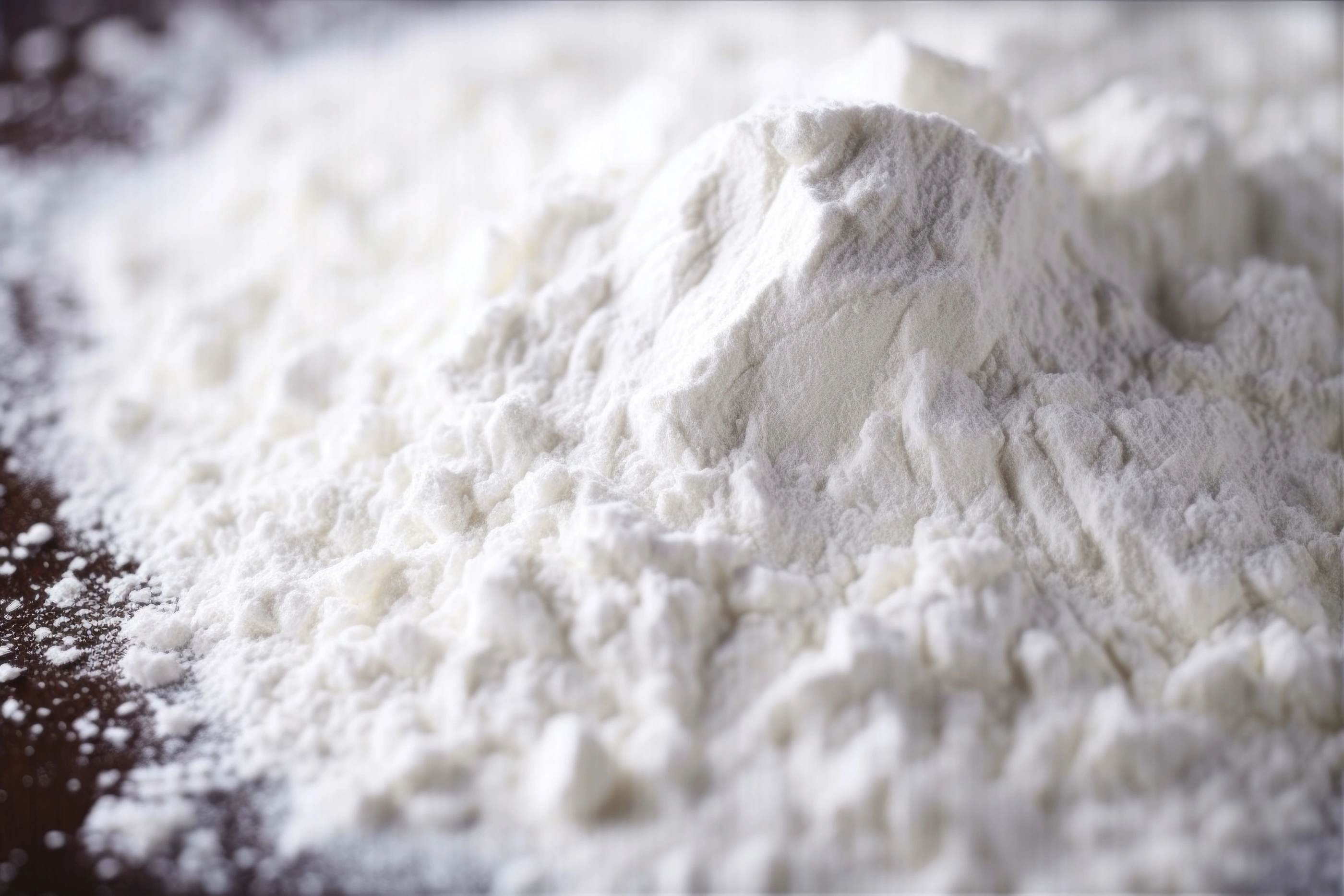
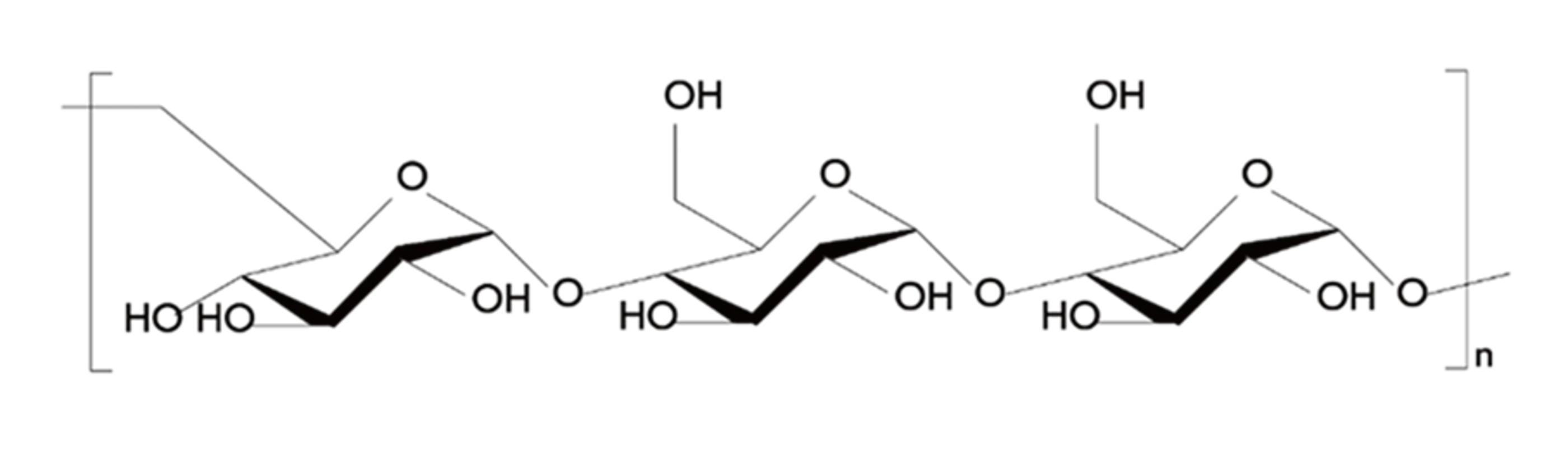
Pullulan is a water-soluble polysaccharide biosynthesized through the fermentation of the yeast-like fungus Aureobasidium pullulans. It is a naturally derived homopolymer composed entirely of D-glucose units.
Structurally, pullulan consists of maltotriose units, each composed of three glucose molecules, linked by α-(1→6) glycosidic bonds. Within each maltotriose unit, the glucose molecules are connected by α-(1→4) glycosidic bonds.
This unique linkage pattern gives pullulan a range of useful material properties, including excellent film-forming ability, high transparency, and strong oxygen barrier properties.
Pullulan is also tasteless, odorless, relatively safe, and readily soluble in water. Because of these characteristics, it is widely used in food, pharmaceutical, and cosmetic applications.
In recent years, however, pullulan has attracted surging interest well beyond conventional film applications. Its superior biocompatibility, low immunogenicity, and ease of chemical modification (via hydroxyl group functionalization) make it an exceptionally promising platform material for advanced biomedical fields, including drug delivery systems (DDS), tissue engineering scaffolds, regenerative medicine research, and advanced wound care.
Key Applications of Pullulan and Required Material Properties
Pullulan is being explored for a wide range of applications, including food products, pharmaceuticals, cosmetics, packaging materials, and biomedical materials. However, the level of endotoxin control required depends greatly on the intended application.
In applications involving parenteral administration, injectable formulations, regenerative medicine, biomaterial evaluation, wound dressings, or skin-contact medical materials, even trace amounts of endotoxin may affect biological responses. These effects may include fever, inflammatory reactions, changes in cellular behavior, and variability in experimental results.
For these applications, low endotoxin content is an important quality requirement, in addition to the inherent advantages of pullulan such as water solubility, film-forming ability, and biocompatibility.
| Field / Grade | Target Applications | Critical Quality Attributes (CQAs) |
|---|---|---|
| Parenteral & Injectable Materials | Drug delivery system (DDS) carriers, injectable hydrogels, localized depot formulations | Ultra-low endotoxin levels, validated sterility, high biocompatibility |
| Regenerative Medicine & Bio-assays | 3D scaffolds, cell culture substrates, polymer matrices for in vitro material evaluation | Minimal endotoxin interference, negligible cytotoxicity, post-sterilization stability |
| Wound Care & Tissue-Contact Materials | Advanced wound dressings (films/gels), anti-adhesive barriers, medical coating materials | Regulated endotoxin levels, low dermal/tissue irritation, moisture retention, tissue adhesion |
| Oral Pharmaceuticals & Cosmetics | Capsule shells, tablet coatings, functional skincare, and makeup formulations | General safety, reliable water solubility, film-forming stability, tastelessness/odorlessness |
| Food & Packaging | Edible films, active freshness-preserving packaging, barrier coatings | Food safety compliance, transparency, tensile strength, oxygen barrier efficiency |
Materials for Parenteral and Injectable Formulations
Endotoxin control is especially important for materials intended for parenteral administration or injectable formulations. Pullulan has been studied for DDS and hydrogel-based formulations, where the material may come into direct contact with the internal biological environment.
In such applications, even trace amounts of endotoxin may cause fever or inflammatory responses. Therefore, low endotoxin content, sterility, and biocompatibility are key quality requirements.
According to established regulatory guidelines, the standard bacterial endotoxin limit is defined as 5.0 EU/kg/hr for general intravenous applications, and is capped at an exceptionally restrictive 0.2 EU/kg/hr for intrathecal administration (U.S. Food and Drug Administration, 1985). These thresholds underscore the critical need for absolute endotoxin management during the raw material synthesis phase.
Crucially, sterility (the absence of viable microorganisms) and endotoxin control (the absence of pyrogenic lipopolysaccharides) must be treated as independent quality parameters. While routine sterilization methods (such as autoclaving or gamma irradiation) effectively eliminate or inactivate living microbes, endotoxins are highly heat-resistant, amphiphilic structures that remain biologically active post-sterilization. Therefore, raw materials destined for parenteral or injectable R&D must be strictly and independently validated for both sterility and definitive endotoxin quantification.
Regenerative Medicine and Biomaterial Evaluation
For regenerative medicine materials, cell culture materials, and biomaterial evaluation, it is important to understand how the material affects cellular responses.
Endotoxins can stimulate immune cells such as monocytes, macrophages, and dendritic cells, leading to the production of inflammatory cytokines such as TNF-α, IL-6, and IL-1β. If pullulan contains even trace levels of endotoxin, the observed cellular response may reflect endotoxin contamination rather than the intrinsic properties of the material.
For example, human peripheral blood monocytes have been reported to produce TNF-α and IL-6 in response to endotoxin concentrations as low as 0.005 ng/mL. This means that even very small amounts of endotoxin may affect immune cell assays and lead to misinterpretation of experimental results.
For this reason, low endotoxin content is essential for pullulan used in cell culture, regenerative medicine research, wound dressing development, and biomaterial evaluation.
Wound Dressings and Skin-Contact Materials
Pullulan’s excellent film-forming metrics, superior moisture retention, and physical tissue-adhesion profile make it an attractive candidate for advanced wound dressing matrices and protective medical coating applications. Owing to its capacity to form transparent, mechanically stable, water-soluble barriers, pullulan is being actively engineered into topical films designed to cover wound beds or serve as hydrophilic coatings for tissue-interfacing medical devices.
For these clinical archetypes, minimal tissue irritation, balanced exudate absorption, and robust skin-adhesion are the primary functional prerequisites. However, the significance of endotoxin management remains high—particularly when the material interfaces with compromised dermal tissue or open wounds where the natural epidermal barrier function is partially or completely lost.
At these compromised sites, localized endotoxin accumulation can prolong the inflammatory phase of wound healing and delay subsequent re-epithelialization or granulation tissue formation. Depending on the clinical severity of the wound model and the contact site, the integration of low-endotoxin pullulan is highly recommended to eliminate foreign-body immune noise and support normal tissue remodeling processes.
What Is Low-Endotoxin Pullulan?
Low-endotoxin pullulan refers to highly purified grades of pullulan in which lipopolysaccharide (LPS) contamination—unavoidably introduced during the upstream fermentation or downstream recovery phases—is rigorously monitored and minimized to meet ultra-pure biomedical specifications.
Pullulan itself is an extracellular water-soluble polysaccharide biosynthesized via the fermentation of the yeast-like fungus Aureobasidium pullulans. Because the production host is a non-gram-negative fungus, it does not endogenously synthesize endotoxins.
However, opportunistic endotoxin contamination can occur at multiple checkpoints throughout industrial processing, such as fermentation, isolation, drying, milling, blending, or subsequent re-dissolution. Potential vectors of contamination include raw process water, processing equipment, and environmental gram-negative microflora. For life science and clinical translation applications, a major challenge lies in establishing a purification pipeline that systematically depletes these endotoxins without altering pullulan’s quintessential material architecture, such as its signature water solubility, film-forming capacity, optical transparency, and tensile adhesion.
Endotoxin Contamination in Pullulan
It is critical to recognize that bacterial endotoxins present in pullulan matrices are not covalently integrated or structurally related to the pullulan molecule; they are strictly exogenous, non-self biochemical impurities introduced post-secretion.
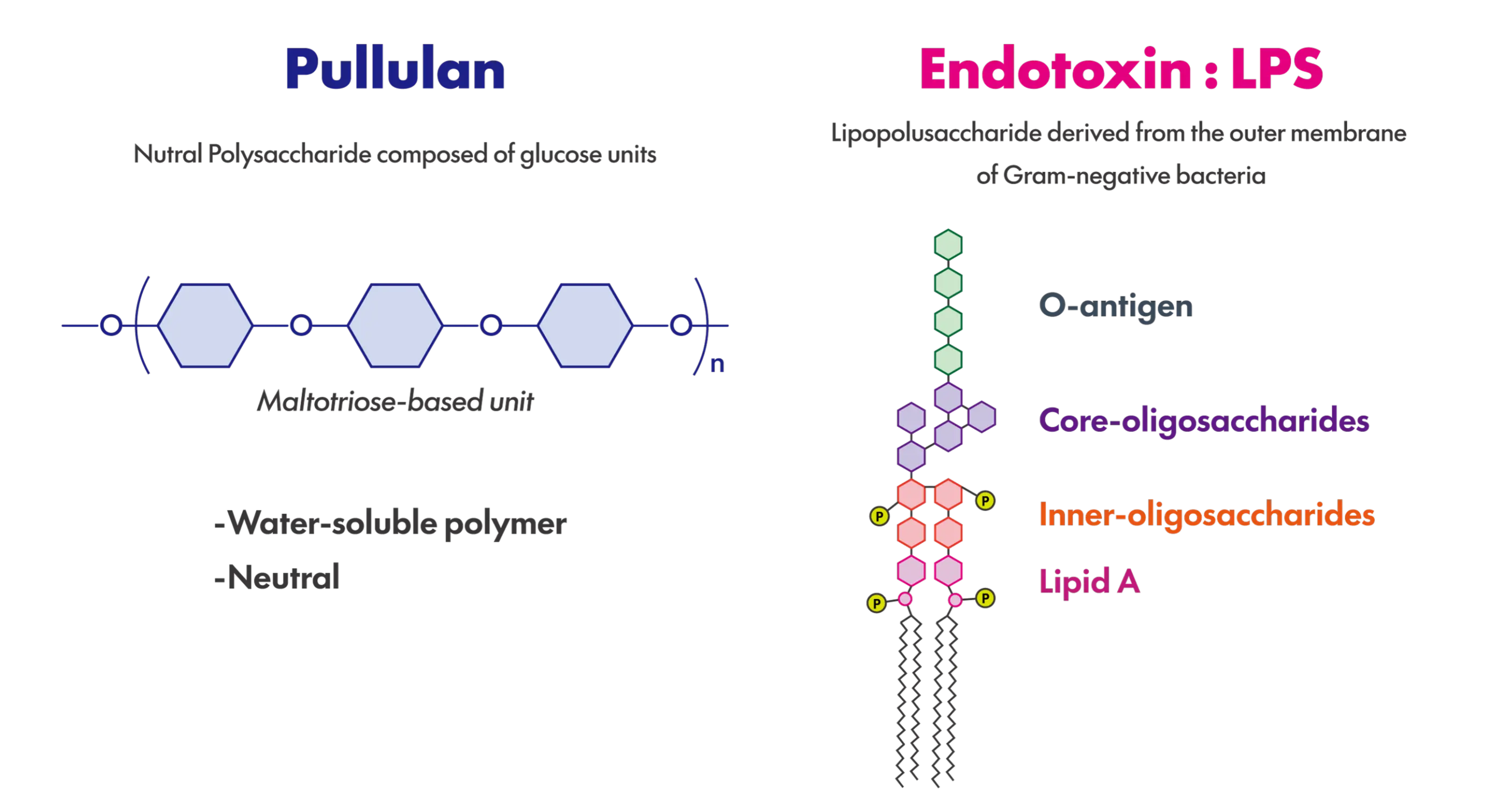
Pullulan is a neutral polysaccharide composed of glucose units. In contrast, endotoxins generally refer to lipopolysaccharides (LPS), which are found in the outer membrane of Gram-negative bacteria. LPS molecules consist of lipid A, a core polysaccharide, and an O-antigen. Among these components, lipid A is primarily responsible for strong immune stimulation.
Although both pullulan and endotoxins contain sugar-based structures, they differ greatly in chemical structure, biological origin, and physiological activity.
Why Endotoxin Control in Pullulan Is Technically Challenging
Engineering a scalable process for low-endotoxin pullulan requires navigating a complex technical trade-off: achieving drastic pyrogen reduction while preserving the macro-structural integrity of the high-molecular-weight polysaccharide.
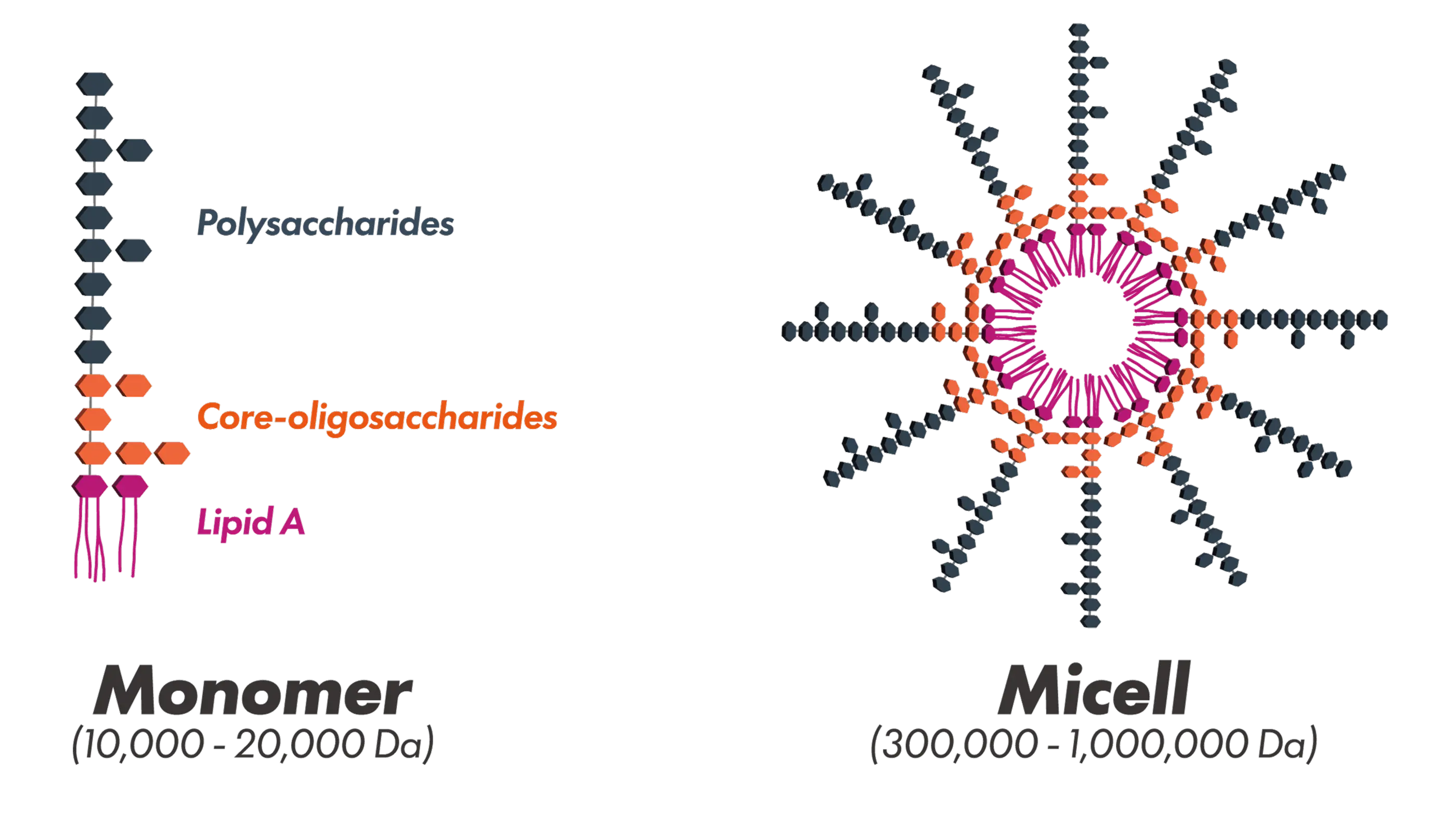
This difficulty stems directly from the amphiphilic nature of lipopolysaccharides (LPS). Due to the thermodynamic interaction between their hydrophobic Lipid A segments and hydrophilic polysaccharide chains, endotoxins spontaneously self-assemble in aqueous environments. They form supramolecular micelles, vesicles, and large macromolecular aggregates with effective molecular weights ranging from hundreds of thousands to several million Daltons. Because these self-assembled LPS structures fall into a similar hydrodynamic volume range as high-molecular-weight pullulan polymers, isolating them based on size-exclusion or standard ultrafiltration protocols alone is remarkably inefficient.
Pullulan is also a water-soluble polymer whose average molecular weight, solution viscosity, film-forming capacity, and optical transparency are primary functional criteria for biomedical applications. Harsh depyrogenation treatments—such as exposure to strong alkaline conditions, aggressive oxidizing agents, or excessive thermal stress—may reduce endotoxin levels, but they concurrently trigger the indiscriminate, random chain cleavage of the α-(1→4) and α-(1→6) glycosidic bonds constituting the pullulan backbone.
This uncontrolled depolymerization leads to a severe drop in molecular weight, erratic viscosity shifts, and a profound deterioration of critical film properties. Therefore, manufacturing low-endotoxin pullulan demands precise process control that minimizes contamination while preserving the native structure and functionality of the polysaccharide.
Approaches to Producing Low-Endotoxin Pullulan
A primary bottleneck in manufacturing ultra-pure, low-endotoxin pullulan is its identity as a fermentation-derived, water-soluble macromolecule. Once the fungal biomass is separated from the raw fermentation broth, a complex mixture of cellular byproducts, pigments, and metabolic impurities must be meticulously partitioned away from the target pullulan fraction.
During upstream synthesis, the host microorganism co-secretes secondary metabolites, such as melanin and polymalic acid. These byproducts remain in the same aqueous phase as the hydrophilic pullulan molecules and often exhibit overlapping physicochemical fractionation profiles, making targeted separation partition-coefficient dependent.
Exogenous endotoxins introduced during downstream processing further compound this purification challenge. Because they behave as negatively charged, hydrophobic supramolecular aggregates in solution, simple microfiltration or standard non-solvent precipitation steps fail to yield significant depletion factors without co-precipitating the target polymer or entrapping pyrogens within the precipitating matrix. For this reason, achieving both high structural purity and an ultra-low endotoxin profile generally requires an integrated cascade of multi-modal purification techniques rather than a single, isolated unit operation.
Inactivation by Heat, Alkali, and Oxidation
Bacterial endotoxins can be structurally disrupted, denatured, or chemical inactivated through aggressive treatments such as dry heat, strong alkali, and advanced oxidation.
| Inactivation Treatment | Main Mechanism | Typical Conditions |
|---|---|---|
| Dry heat treatment | Cleavage of glycosidic bonds in the polysaccharide region; removal of ester bonds and phosphate groups in lipid A | 250℃ for at least 30 minutes |
| Strong alkaline treatment | Hydrolysis of ester bonds in lipid A | Holding in 95% ethanol containing 0.1 N NaOH for at least 30 minutes |
| Oxidative treatment | Oxidation and cleavage of fatty acids and polysaccharides | Ozone or hydrogen peroxide |
While these destructive chemical and thermal treatments are highly effective for the depyrogenation of manufacturing equipment, process piping, and peripheral stainless-steel components, they pose significant risks when applied directly to pullulan powders or aqueous solutions.
Direct exposure to these conditions induces rapid, non-selective hydrolysis or oxidative cleavage of the glycosidic bonds within the pullulan matrix. This results in an irreversible reduction in molecular weight and solution viscosity, thereby altering critical material specifications such as optical transparency and coating uniformities. For this reason, these chemical destruction methods are strictly optimized as sanitization pretreatments for the manufacturing plant infrastructure rather than direct purification steps for the pullulan polymer itself.
Selective Removal Using Adsorption Columns
For water-soluble polymers like pullulan, ion-exchange or affinity adsorption chromatography represents a highly viable approach to selectively sequestering endotoxins from aqueous streams. Because endotoxins exhibit a strong net negative (anionic) charge at neutral pH due to the ionization of phosphate groups in the Lipid A and core domains, they can be partitioned using stationary phases engineered for charge-based electrostatic binding.
For example, anion-exchange chromatography columns or positively charged polylysine-based adsorption matrices selectively bind the negatively charged LPS molecules. Since pullulan is an uncharged, non-ionic polysaccharide, this electrostatic disparity allows for significant endotoxin depletion factors without inducing structural changes or main-chain cleavage of the pullulan backbone.
Nevertheless, high-molecular-weight pullulan solutions naturally exhibit elevated viscosities, particularly at commercially viable concentrations. This high viscosity significantly limits mass transfer kinetics, reducing endotoxin capture efficiencies while inducing severe column backpressure and risking irreversible gel polarization or clogging of the packed bed. Furthermore, depending on the surface chemistry of the adsorbent, pullulan molecules or coexisting process impurities (such as host-cell proteins, residual nucleic acids, and secondary polysaccharides) may undergo non-specific binding. This competitive adsorption decreases the overall product yield and introduces additional downstream clearing challenges.
Removal Using Particulate Adsorbents
To bypass the hydrodynamics and pressure limitations of packed-bed columns when processing highly viscous pullulan solutions, batch-mode adsorption using dispersed particulate adsorbents, such as specialized activated carbon, is a highly effective alternative. Because the particulate adsorbents are directly slurried and agitated within the bulk liquid, this fluidic dispersion ensures robust surface contact even within highly viscous polymer matrices.
However, executing this batch operation requires stringent optimization of critical process parameters, including mixing shear intensities, contact equilibrium times, adsorbent-to-polymer mass ratios, and temperature-dependent solution viscosities. If fluid dynamics are poorly controlled, the high-molecular-weight pullulan chains can become physically entrapped or co-adsorbed within the aggregating particulate flocs, causing a significant drop in step yield.
Additionally, the process demands complete, high-fidelity phase separation to isolate the spent adsorbent from the pullulan solution post-equilibrium. Consequently, implementing rigorous particulate clearance controls and downstream polishing filtration is a paramount consideration to prevent charcoal fines or particulate leakage. This unit operation is therefore ideally deployed as an intermediate downstream step to bulk-deplete endotoxin levels following initial crude clarification.
Clarification by Membrane Separation
Membrane separation can clarify pullulan solutions by removing residual cell debris, fine particles, aggregates, adsorbent residues, and low-molecular-weight impurities. Ultrafiltration can also remove salts and low-molecular-weight byproducts while retaining high-molecular-weight pullulan.
However, endotoxins can form micelles or aggregates in aqueous solutions. In this state, they may behave like high-molecular-weight components and remain with the pullulan fraction.
Removal efficiency may be improved by using surfactants. When additives are used, their residual levels and effects on cell-based assays must also be evaluated.
Therefore, membrane separation is useful for clarification, but it is often combined with other purification methods for effective endotoxin control.
Low-Endotoxin Pullulan from Nagase ChemteX
To resolve the critical trade-off between pyrogen contamination and macromolecular depolymerization, Nagase ChemteX has developed a groundbreaking, biomedical-grade low-endotoxin pullulan. Purified via our proprietary, high-selectivity endotoxin removal technology, Arcofeliz™ PU-10 is engineered specifically to retain pullulan's native functional advantages—including instant water solubility, pristine film-forming dynamics, robust tissue adhesion, and uniform coating performance—while maintaining an ultra-low endotoxin profile.
This premium grade is uniquely positioned for high-stakes research and industrial tracks where minimizing endotoxin-mediated inflammatory signaling cascades or preventing data interference is paramount. Key validation areas include:
- High-sensitivity cell-based functional assays and screening systems.
- Advanced biomaterial synthesis and tissue engineering scaffold R&D.
- Clinical translation pipelines for advanced wound dressings and tissue-interfacing medical devices.
Commercially available pullulan of microbial origin, even when compliant with standard Japanese Pharmacopoeia (JP) monographs, frequently exhibits baseline endotoxin loads ranging from tens of thousands to several million EU/g due to upstream processing vectors. Such severe pyrogenic backgrounds introduce uncontrollable variables into delicate life science evaluation systems.
In sharp contrast, Nagase ChemteX’s precision down-stream purification platform allows Arcofeliz™ PU-10 to achieve a validated, industry-leading endotoxin specification of ≦10 EU/g.
| Grade / Manufacturer | Endotoxin Level |
Nagase ChemteX (Arcofeliz™ PU-10) | ≦10 EU/g |
| Japanese Pharmacopopoeia grade | Tens of thousands to millions of EU/g |
Please contact us to discuss your application or material requirements for low-endotoxin pullulan.
【References】
Marta, O.T., et al. (2023). Journal of Drug Delivery Science and Technology, 89, 105066.
U.S. Food and Drug Administration. (1985). Bacterial Endotoxins/Pyrogens. Inspection Technical Guide No. 40.
Liu, F. (2025). Toxicology Letters, 412, 223–233.
Chaiwut, R., et al. (2022). BMC Research Notes, 15, 42.
Jeffrey, R., et al. (2023). Skin Pharmacol Physiol. 36(4), 174–185.
Stankovic, I. (2005). Pullulan: Chemical and Technical Assessment. 65th Joint FAO/WHO Expert Committee on Food Additives (JECFA).
Oshima, R., et al. (2025). Scientific Reports, 15, 20056.
- 【Important Notice Regarding the Pharmaceuticals and Medical Devices Act (PMD Act, formerly the Pharmaceutical Affairs Act)】
- Positioning of This Technology: The products and technologies described in this article are intended for use as raw materials or processing technologies in the manufacturing and research and development of pharmaceuticals and medical devices. They do not guarantee the efficacy or safety of final products.
- About Arcofeliz™: The Arcofeliz™ series is designed as a material for use in pharmaceutical excipients and medical device applications. It is not a pharmaceutical product intended for the diagnosis, treatment, or prevention of disease.
- Quality specifications: Expressions such as “low endotoxin” refer to physicochemical properties based on product specifications and do not imply any clinical efficacy.
Related Products

Arcofeliz™ AL series: Low-Endotoxin Sodium Alginate
Arcofeliz ™ AL Series is a low-endotoxin sodium alginate produced by purification with a newly developed endotoxin removal materials.
Learn More
Arcofeliz ™ XA series: Low-Endotoxin Xanthan Gum
Arcofeliz ™ XA Series is a low-endotoxin xanthan gum produced by purification with a newly developed endotoxin removal materials.
Learn More
Arcofeliz ™ PU-10: Low-Endotoxin Pullulan
Arcofeliz ™ PU-10 is a low-endotoxin pullulan produced by purification with a newly developed endotoxin removal materials.
Learn More
Arcofeliz ™ GE series: Low-Endotoxin Gelatin
Arcofeliz ™ GE Series is a low-endotoxin gelatin produced by purification with a newly developed endotoxin removal materials.
Learn More
Arcofeliz ™ CP series: Low-Endotoxin Collagen Peptide
Arcofeliz ™ CP Series is a low-endotoxin collagen peptide produced by purification with a newly developed endotoxin removal materials.
Learn More
Arcofeliz ™ EN series: Low-Endotoxin Enzyme
Arcofeliz ™ EN Series is a low-endotoxin enzyme produced by purification with a newly developed endotoxin removal materials.
Learn More
We’re Here to Help
Complete the following fields with your information, as well as a short, detailed description of your request and a NAGASE Specialist will be in touch with you shortly.