







Endotoxin Control in Alginate Lyase
July 31, 2026
Alginate lyase is an indispensable enzyme utilized to precisely depolymerize alginate matrices across diverse biomedical research disciplines, such as biofilm control modeling, enzymatic cell recovery, and the performance evaluation of biomaterials. Because this enzyme is typically manufactured via microbial fermentation platforms, inner endotoxin contamination often poses a severe critical quality concern.
This article elucidates why rigorous endotoxin control is paramount for alginate lyase in high-sensitivity life science assays and outlines the technical methodologies required to produce low-endotoxin grades without compromising catalytic activity.
What Is Alginate Lyase?
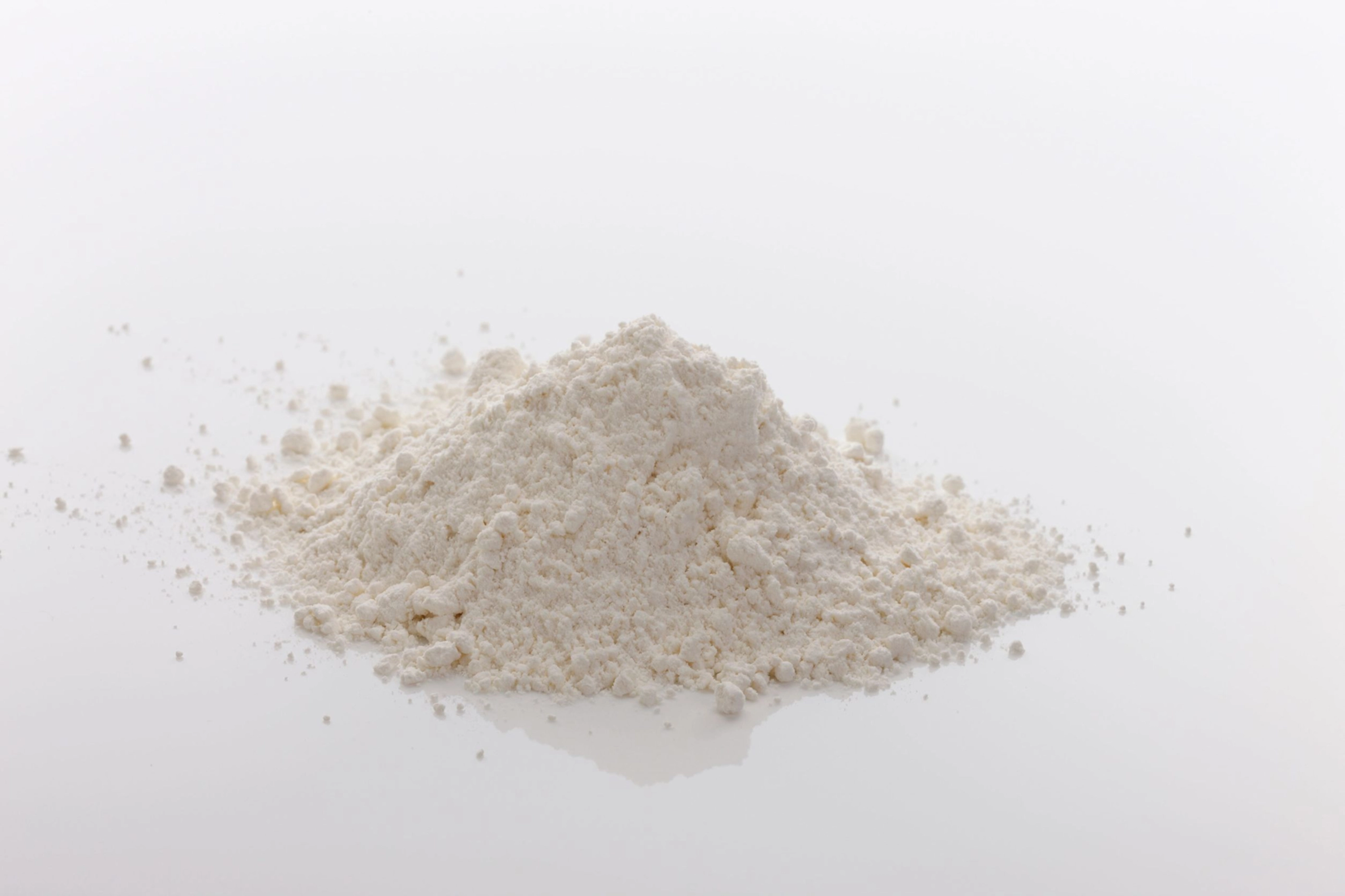
Alginate lyase is a specialized biocatalyst that depolymerizes alginate polymers. By strategically cleaving the polysaccharide backbones of high-molecular-weight alginate, the enzyme drives a rapid reduction in solution viscosity, induces the controlled disruption of crosslinked gel networks, and catalyzes the targeted breakdown of alginate-based extracellular matrices.
Target Substrates of Alginate Lyase
Alginate is a linear, anionic heteropolysaccharide abundantly found in brown macroalgae, marine bacteria, and the extracellular polymeric substance (EPS) matrices of specific bacterial biofilms. Chemically, it is composed of two constituent uronic acid epimers: β-D-mannuronic acid (M) and α-L-guluronic acid (G), which are interconnected via 1→4 glycosidic bonds. The bulk physicochemical properties of alginate—including its shear viscosity, viscoelasticity, and ion-dependent gelation dynamics—are strictly governed by its macromolecular weight, M/G ratio, and sequential block distribution (polyM, polyG, or heteropolymeric polyMG blocks).
Alginate lyases specifically target these internal 1→4 O-glycosidic linkages within the polysaccharide chains, cleaving them via a β-elimination mechanism that results in main-chain depolymerization. Unlike standard hydrolases, this lyase-mediated reaction does not proceed via hydrolysis; instead, it generates alginate oligosaccharides characterized by a distinctive unsaturated uronic acid motif (a Δ-structure featuring a C4-C5 double bond) at the newly formed non-reducing termini.
The physical properties of alginate, such as viscosity and gel-forming ability, depend on its molecular weight, M/G ratio, and sequence pattern.
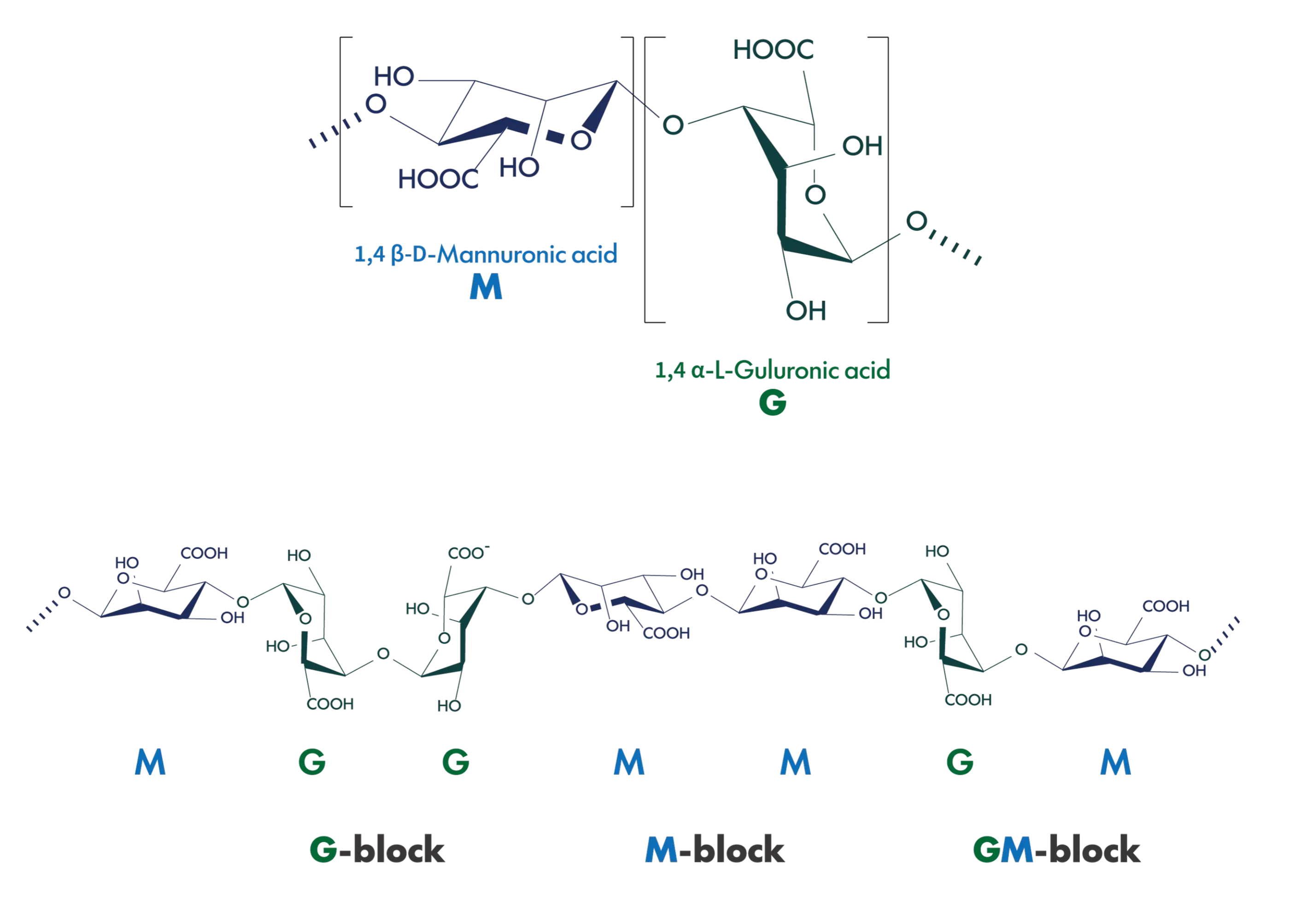
The main target linkages include:
- M-M linkages between mannuronic acid units
- G-G linkages between guluronic acid units
- M-G or G-M linkages between mannuronic acid and guluronic acid units
Representative Structures of Alginate Lyase
Alginate lyases are classified into various carbohydrate-active enzyme (CAZy) families, with Polysaccharide Lyase Family 7 (PL7) and Family 5 (PL5) representing the most prominently researched groupings.
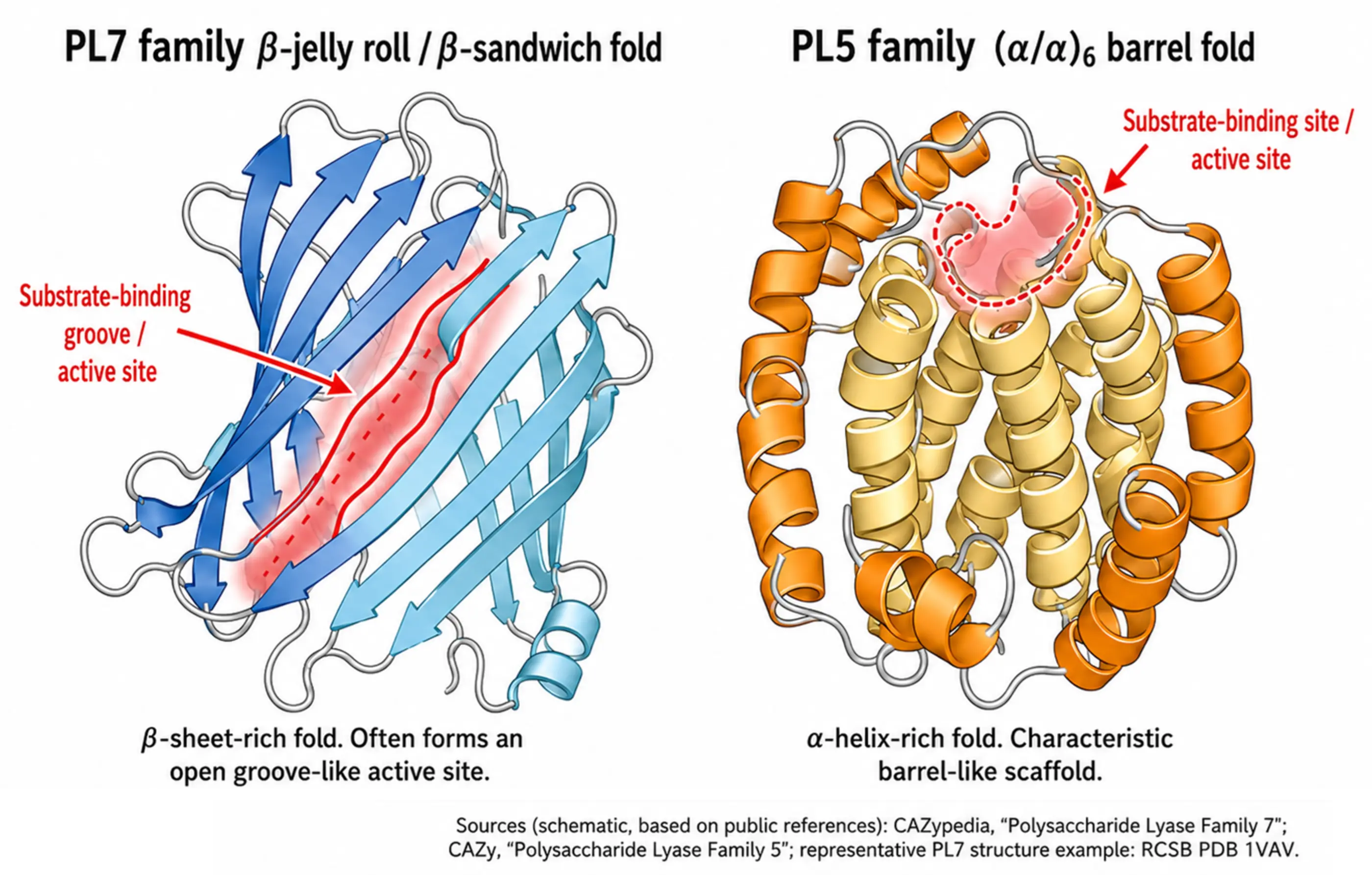
PL7-type alginate lyases are structurally characterized by a distinct β-jelly roll or β-sandwich fold, which forms a deep, elongated, groove-shaped active site architecture optimized to accommodate linear alginate chains. The definitive substrate specificity and resultant oligomer fingerprint are highly dependent on the flexible loop conformations flanking this active center. Consequently, even closely related enzymes within the same PL7 family can yield significantly different degree-of-polymerization (DP) profiles for the final alginate oligosaccharide products.
Conversely, PL5-type alginate lyases feature a predominantly α-helix-rich barrel architecture. Within the PL5 domain, many variants operate as endo-type enzymes displaying preferential specificity toward homopolymeric polyM regions, though actual substrate preferences and kinetic parameters must be validated for each individual enzyme isolate.
Key Applications of Alginate Lyase
Alginate lyase serves as a pivotal enzyme reagent in advanced in vitro and ex vivo life science research intersecting cellular biology, microbiotic dynamics, and biomaterial engineering. The following sections outline the three primary application vectors for this biocatalyst.
Infectious Disease and Biofilm Research
In the domains of microbiology and infectious disease modeling, alginate lyase is widely leveraged to systematically evaluate the breakdown and eradication profiles of alginate-dense bacterial biofilms.
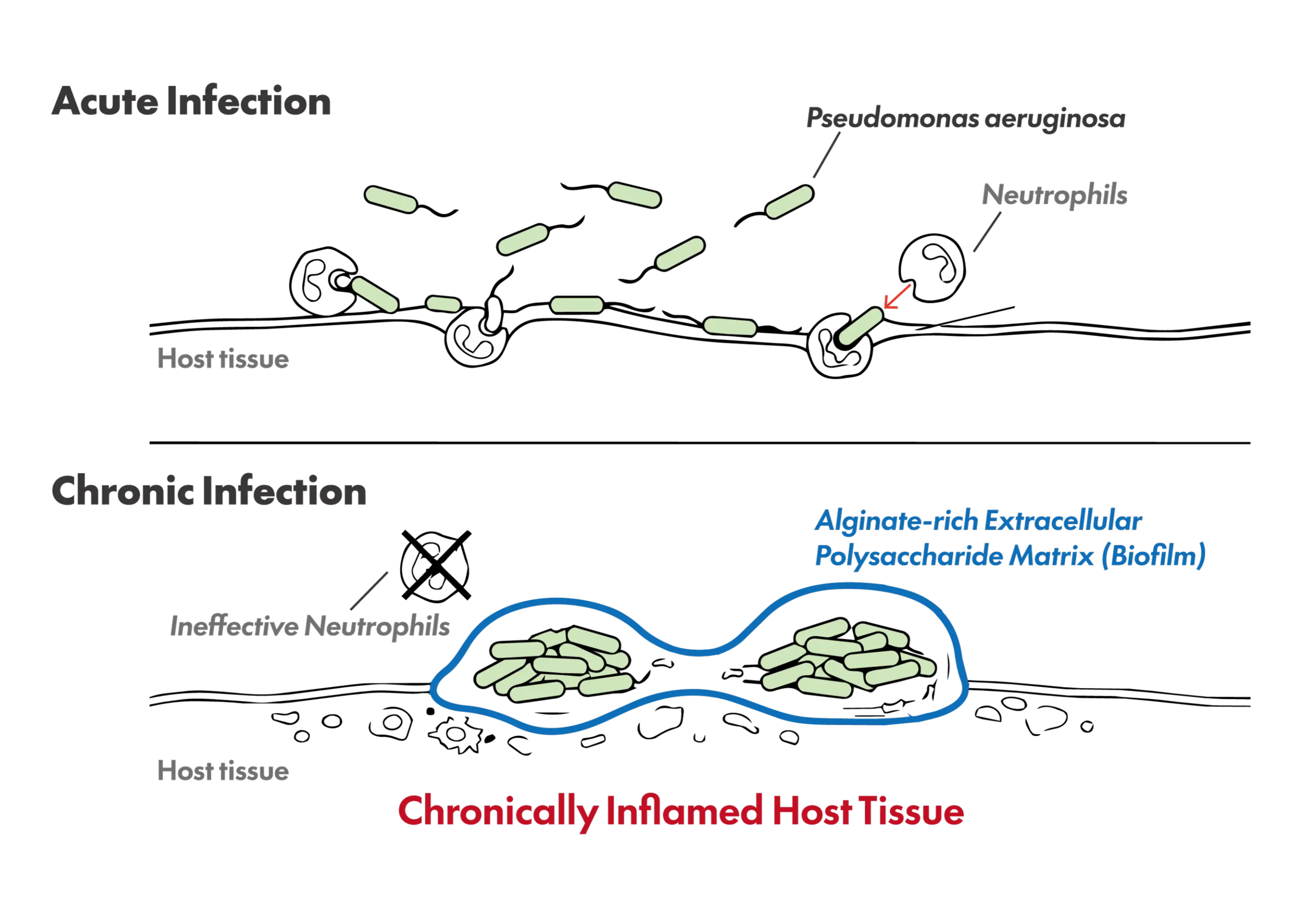
Pseudomonas aeruginosa is known to overproduce alginate during chronic infection, forming extracellular polysaccharide matrices that are rich in alginate. When bacteria attach to surfaces such as medical devices, wound sites, or mucosal tissues and become embedded in extracellular polymeric substances that they produce, these communities are known as biofilms.
Biofilms can:
- Anchor bacteria to surfaces
- Help protect bacteria from antimicrobial agents and immune responses
- Provide a hydrophilic and viscoelastic environment that supports bacterial colonization and survival
- Contribute to chronic infection or recurrent contamination
Alginate lyase cleaves the 1→4 glycosidic bonds in alginate chains, which are a key component of these matrices. By depolymerizing high-molecular-weight alginate, the enzyme can weaken the biofilm network and may help antimicrobial agents or immune cells reach the bacteria more easily.
For this reason, alginate lyase is attracting interest as an enzyme reagent for biofilm control research and for developing technologies related to medical devices, wound care, and infectious diseases.
Regenerative Medicine and Tissue Engineering Research
In the fields of tissue engineering, 3D cell culture systems, and cell-based therapeutic assays, alginate lyase represents a vital tool for the non-destructive recovery of cells encapsulated within hydrogel matrices.
Alginate hydrogels are often used as embedding matrices for three-dimensional cell culture. In these systems, cells must be released from the gel for analysis, processing, or transplantation research.
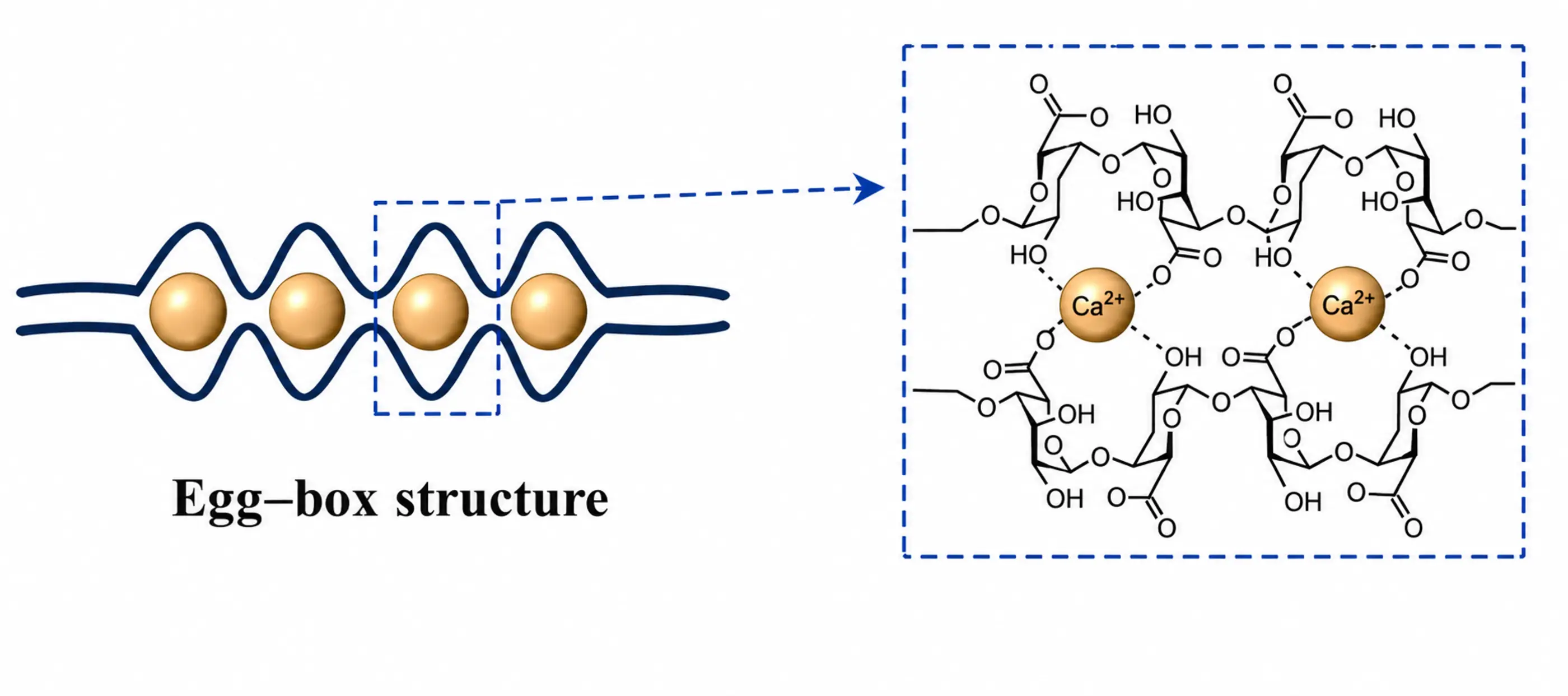
Alginate is an anionic polysaccharide with numerous carboxyl groups. It forms water-rich hydrogels through crosslinking with calcium ions and other multivalent cations. While this structure is useful for cell encapsulation, it can make efficient cell recovery difficult.
Chelating agents such as sodium citrate can remove calcium ions and disrupt ionic crosslinks. However, they do not cut the alginate chains themselves. As a result, the solution may remain viscous, and alginate may remain entangled with the cells, making separation and washing more difficult.
Alginate lyase acts on the glycosidic bonds in alginate and depolymerizes high-molecular-weight alginate under mild conditions. By reducing viscosity, it can facilitate the release of cells from alginate gels while minimizing stress on the cells.
Medical Materials and Wound Dressing Research
Alginate lyase is also being explored as an enzyme reagent for research involving medical materials and wound dressings.
In drug delivery system applications, alginate can serve as a carrier matrix. Alginate hydrogel beads and gel formulations are designed to encapsulate drugs and release them gradually as the gel swells or degrades.
Because alginate lyase selectively breaks down alginate matrices, it can be used to evaluate the degradation behavior of these gel-based carriers.
Alginate is also used in wound dressing materials. When applied to a wound site, it absorbs exudate and forms a soft gel layer on the wound surface. This layer helps prevent drying while retaining excess exudate, thereby supporting the maintenance of a moist wound environment.
For these applications, alginate lyase can be used to evaluate gel breakdown behavior, residue removal, washability, and matrix changes after drug release in alginate-based materials.
What Is Low-Endotoxin Alginate Lyase?
Low-endotoxin alginate lyase is a highly purified, bio-engineered enzyme platform characterized by a drastically reduced bacterial endotoxin profile while maintaining its native structural integrity and robust catalytic depolymerization kinetics.
Because even picogram-level endotoxin contaminants function as potent pathogen-associated molecular patterns (PAMPs) that stimulate mammalian immune pathways, utilizing ultra-pure, low-endotoxin reagents is an absolute prerequisite in advanced biomedical, cellular, and tissue engineering applications.
Endotoxin Contamination in Alginate Lyase
Alginate lyase is a high-molecular-weight protein enzyme with a complex three-dimensional structure. It is typically produced through microbial fermentation, including recombinant expression systems. During production, endotoxins may be introduced from the host cells, culture media, or purification processes and remain in the final enzyme product.
When endotoxin is present in an alginate lyase preparation, it can affect cells or the immune system independently of the enzyme’s alginate-degrading activity. In immune cells such as macrophages and monocytes, endotoxin may trigger inflammatory cytokine production through pathways such as TLR4/NF-κB signaling.
This can interfere with data interpretation in several research fields:
- In infectious disease and biofilm research, it may become difficult to distinguish a true biofilm-derived inflammatory response from the effects of endotoxin introduced with the enzyme reagent.
- In regenerative medicine and tissue engineering research, endotoxin may alter gene expression, differentiation potential, or the surface marker profiles of cells recovered from gels, affecting data reproducibility.
- In medical material and wound dressing evaluation, inflammatory or cytotoxic responses caused by impurities may be overestimated as material-derived effects, leading to false-positive results.
Therefore, low-endotoxin content is a critical quality requirement for precise biomedical evaluation, along with enzyme activity.
Why Producing Low-Endotoxin Alginate Lyase Is Technically Challenging
Producing low-endotoxin alginate lyase is challenging because endotoxins must be removed without compromising the enzyme’s structure or activity.
For recombinant proteins, endotoxin reduction methods, such as phase separation using nonionic surfactants and washing steps on solid supports, have been reported. However, removal efficiency can vary widely depending on the protein and purification conditions.
Alginate lyase is a delicate enzyme protein that can be sensitive to heat and chemical denaturation. Harsh depyrogenation treatments, such as strong alkaline treatment or high-temperature dry heat, may be suitable for some polysaccharides or equipment surfaces, but they can easily denature alginate lyase.
If the loop structures around the active site or the barrel-like enzyme structure are disrupted, the enzyme may lose activity, resulting in a significant decrease in alginate-degrading performance.
Approaches to Producing Low-Endotoxin Alginate Lyase
Producing low-endotoxin alginate lyase requires control throughout the entire manufacturing process. Endotoxin introduction must be minimized during production, and residual endotoxins must then be removed during purification.
When alginate lyase is produced using Gram-negative hosts such as E. coli, the risk of endotoxin contamination is relatively high because endotoxins are present in the bacterial outer membrane. Gram-positive hosts such as Bacillus species, which lack an outer membrane, can offer advantages for low-endotoxin production. However, raw materials, water, equipment, or the manufacturing environment may still introduce endotoxins, so process control remains essential.
During purification, alginate lyase is separated from endotoxins by exploiting differences in their physical and chemical properties. Endotoxin adsorbents and chromatography can be combined with ultrafiltration or desalting columns to remove low-molecular-weight impurities. In particular, endotoxin adsorbents are useful for reducing residual endotoxins in enzyme solutions.
At the same time, purification conditions must be carefully optimized. Excessive column processing or harsh washing conditions can denature or aggregate the enzyme, reducing alginate-degrading activity. Key parameters include pH, salt concentration, protein concentration, processing time, temperature, and the type of adsorbent used.
After purification, the final product should be evaluated not only for endotoxin content but also for alginate-degrading activity, protein purity, and storage stability.
Low-Endotoxin Alginate Lyase from Nagase ChemteX
Leveraging our deep-rooted expertise in precision chemical synthesis and advanced biomolecule purification, Nagase ChemteX has successfully engineered a premier, research-grade low-endotoxin alginate lyase. Purified utilizing our proprietary, high-affinity endotoxin depletion technology, Arcofeliz™ EN-ALGS is meticulously formulated to preserve the enzyme’s intrinsic catalytic functions—including rapid alginate cleavage, macro-molecular depolymerization, and fluidic viscosity reduction—while strictly controlling endotoxin limits to an unprecedented baseline.
This specialized enzyme grade is uniquely optimized for advanced biomedical research, cell-therapy modeling, and biomaterial development pipelines where eliminating endotoxin-induced background noise, preventing inflammatory artifacts, and securing absolute assay reproducibility are critical priorities.
| Grade / Manufacturer | Endotoxin Level |
| Nagase ChemteX | ≤10,000 EU/g |
| Food additive grade | Tens of thousands to hundreds of thousands of EU/g |
Please contact us to discuss your application or material requirements for low-endotoxin alginate lyase.
【References】
Dobruchowska, J. M., et al. (2022). Front. Plant Sci., 13, 981602.
Hatch, R. A., et al. (1998). Antimicrob. Agents Chemother., 42(4), 974–977.
Kundukad, B., et al. (2025). npj Biofilms Microbiomes, 11, 98.
Małysz-Cymborska, I., et al. (2025). Int. J. Mol. Sci., 26(10), 4574.
Pleszczyńska, M., et al. (2023). Int. J. Mol. Sci., 24(5), 4740.
Sampath, V. (2018). Agric. Nat. Resour., 52(2), 115–120.
Wu, Z., et al. (2016). Sci. Rep., 6, 24474.
- 【Important Notice Regarding the Pharmaceuticals and Medical Devices Act (PMD Act, formerly the Pharmaceutical Affairs Act)】
- Positioning of the technology: The products and technologies introduced in this article are intended for use as raw materials or processing technologies in pharmaceutical and medical device manufacturing processes, as well as in research and development. They do not guarantee the efficacy or safety of final products (e.g., pharmaceuticals or medical devices).
- Arcofeliz™: The Arcofeliz™ series is a material designed for use as a pharmaceutical excipient or medical device raw material. It is not a pharmaceutical product intended for the diagnosis, treatment, or prevention of diseases.
- Quality specifications: Descriptions such as “low-endotoxin” refer to physicochemical properties based on each product’s specifications and do not claim or imply any clinical effects.
Related Products

Arcofeliz™ AL series: Low-Endotoxin Sodium Alginate
Arcofeliz ™ AL Series is a low-endotoxin sodium alginate produced by purification with a newly developed endotoxin removal materials.
Learn More
Arcofeliz ™ XA series: Low-Endotoxin Xanthan Gum
Arcofeliz ™ XA Series is a low-endotoxin xanthan gum produced by purification with a newly developed endotoxin removal materials.
Learn More
Arcofeliz ™ PU-10: Low-Endotoxin Pullulan
Arcofeliz ™ PU-10 is a low-endotoxin pullulan produced by purification with a newly developed endotoxin removal materials.
Learn More
Arcofeliz ™ GE series: Low-Endotoxin Gelatin
Arcofeliz ™ GE Series is a low-endotoxin gelatin produced by purification with a newly developed endotoxin removal materials.
Learn More
Arcofeliz ™ CP series: Low-Endotoxin Collagen Peptide
Arcofeliz ™ CP Series is a low-endotoxin collagen peptide produced by purification with a newly developed endotoxin removal materials.
Learn More
Arcofeliz ™ EN series: Low-Endotoxin Enzyme
Arcofeliz ™ EN Series is a low-endotoxin enzyme produced by purification with a newly developed endotoxin removal materials.
Learn More
We’re Here to Help
Complete the following fields with your information, as well as a short, detailed description of your request and a NAGASE Specialist will be in touch with you shortly.