







n-3DPA – Labyrinthulea Enables the Production of rare ω-3 Fatty Acid.
We have developed a production technology for n-3DPA, a rare ω-3 fatty acid through collaboration with Kyoto University.
What is n-3DPA
7Z,10Z,13Z,16Z,19Z-Docosapentaenoic acid (n-3DPA, Figure 1) is an ω-3 fatty acid structurally related to DHA and EPA, and has attracted attention for its potential health benefit. Although n-3DPA is a component of breast milk and suggested to have physiological effects comparable to those of DHA or EPA1), its full-scale applications have not yet progressed, largely because natural sources are limited.

Figure 1. 7Z,10Z,13Z,16Z,19Z-Docosamentaenoate(n-3DPA-containing lipids)
Aurantiochytrium limacinum, a labyrinthulea, is a primary producer of DHA, which accumulates in fish through the food chain, and it has long been used as a dietary sources. Although oils derived from cultivated Aurantiochytrium are increasingly used as food ingredients, conventional strains produce only small amounts of n-3DPA. We discovered that NAGASE’s strain uniquely accumulates n-3DPA under specific cultivation conditions, a characteristic not observed in other strains of the same species2) (Figure 2).
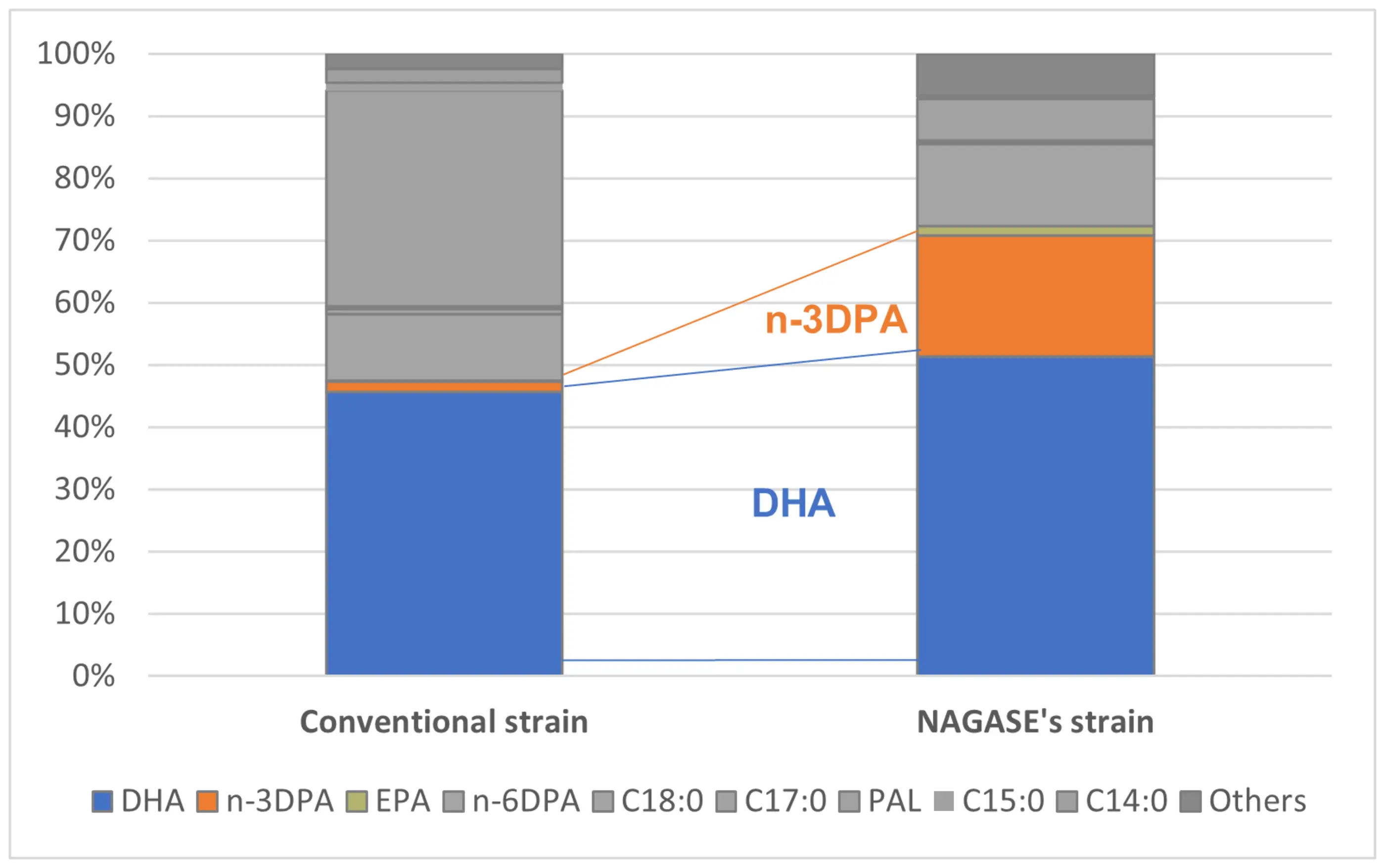
Figure 2. Fatty acid ratio of oils from Aurantiochytrium limacinum.
n-3DPA Production with NAGASE’s Labyrinthulea strain
The only currently available natural source of n-3DPA is subcutaneous fat of harp seals, which contains approximately 4% n-3DPA3) (Figure 3). However, commercial seal hunting is increasingly restricted in the EU and the US, and microbial cultivation is expected to become a major source of n-3-DPA in the future.
NAGASE’s strain can produce liquid oil containing approximately 20% n-3DPA, along with substantial amounts of DHA, positioning it as a promising new source of n-3DPA.
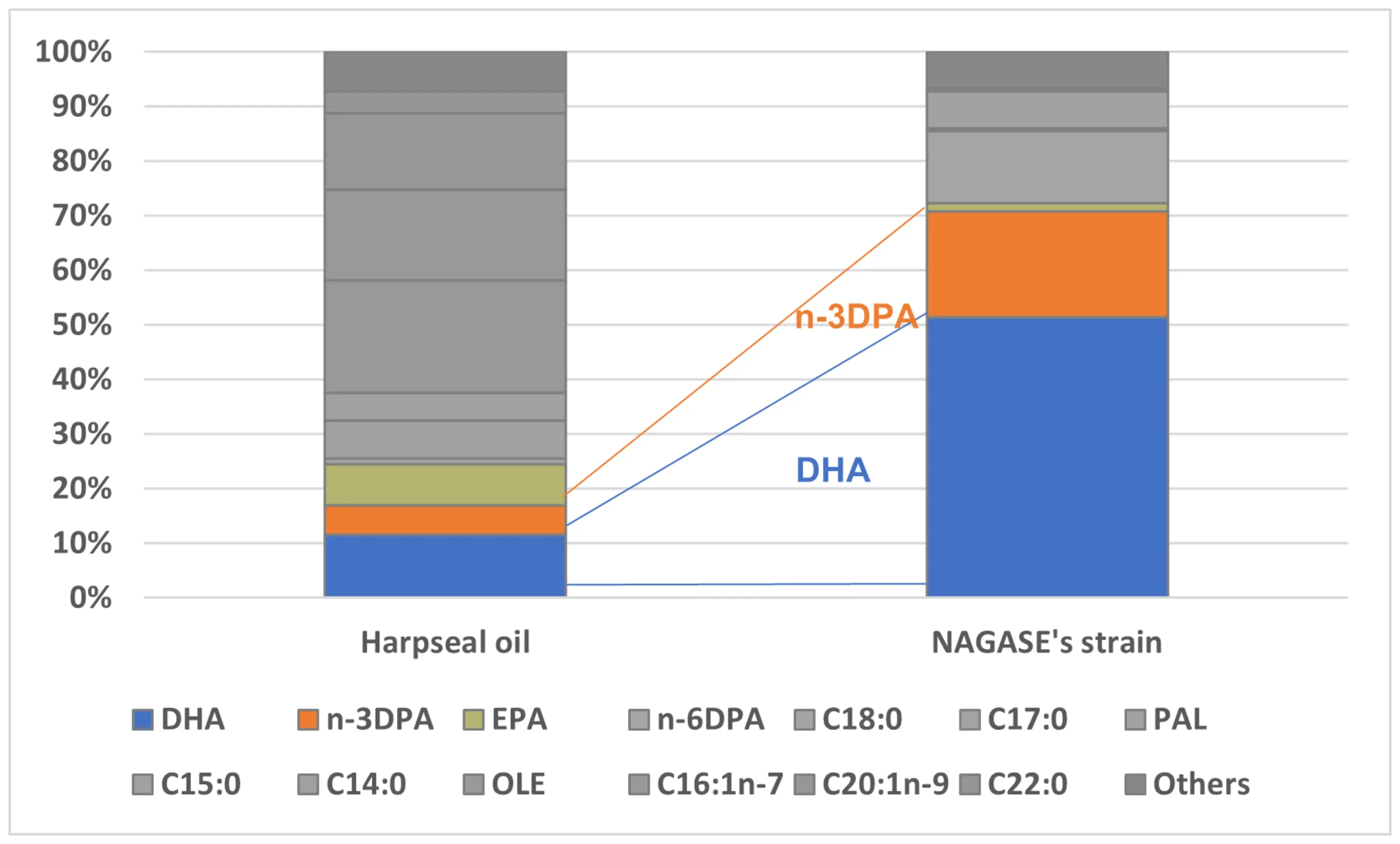
Figure 3. Fatty acid ratio comparison with seal oil.
References
1. Prostag. Leukotr. Ess. 1996, 54(5), 319.
2. JPB6938163, JPB7262536.
3. J. Am. Oil Chem. Soc. 2002, 79(11), 1095.
Toward Social Implementation
Nagase Bio-Innovation Center holds patents for the composition of n-3DPA and its production method and is seeking collaborative development partners interested in licensing. Through partnerships with those interested in high-yield production and functionality of n-3DPA, we aim to commercialize this rare and beneficial compound and contribute to a sustainable society.
If your company is interested in this technology, please feel free to contact us at the inquiry form:
We’re Here to Help
Complete the following fields with your information, as well as a short, detailed description of your request and a NAGASE Specialist will be in touch with you shortly.